How Long Does a Roof Last in Asheville, NC? A Material-by-Material Breakdown
- Ali Riviere
- Dec 12, 2025
- 4 min read

Asheville homeowners face a unique mix of weather conditions that directly affect roof longevity. High annual rainfall, humid summers, occasional snow and ice, and strong winds from mountain storms all put stress on roofing systems over time. Because of this, the lifespan of a roof in Asheville, NC can vary significantly depending on the material used and how well it is maintained.
If you are wondering how long your roof should last in Western North Carolina, here is a clear, material-by-material breakdown based on local climate conditions.
How Long Does a Roof Last in Asheville, NC?
Asphalt Shingle Roofs in Asheville, NC
Average lifespan: 15–25 years
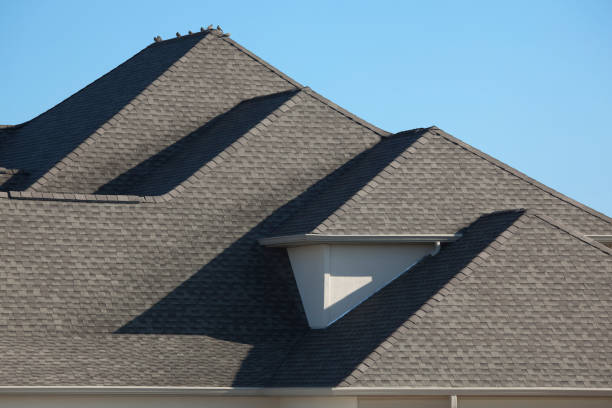
Asphalt shingles are the most common roofing material used on homes throughout Asheville and the surrounding areas. While manufacturers may advertise lifespans of up to 30 years, Asheville’s humidity and frequent rain often shorten that timeline.
Heavy moisture can lead to algae growth, shingle deterioration, and premature granule loss. Wind from mountain storms can also lift or tear shingles, especially on older roofs or those installed without proper sealing.
Regular inspections and algae-resistant shingles can help extend the life of an asphalt roof, but homeowners should realistically expect replacement closer to the 15–25 year range in this region.
Architectural Shingles
Average lifespan: 20–30 years

Architectural shingles, also known as dimensional shingles, are thicker and more durable than traditional asphalt shingles. In Asheville’s climate, they tend to perform better against wind and heavy rain.
Their added weight and layered construction help reduce the risk of blow-offs during storms, which are common in the Blue Ridge Mountains. While they still require routine maintenance, architectural shingles generally outlast standard asphalt options and are a popular upgrade for Asheville homeowners looking for longevity without moving to metal roofing.
Metal Roofing
Average lifespan: 40–70 years
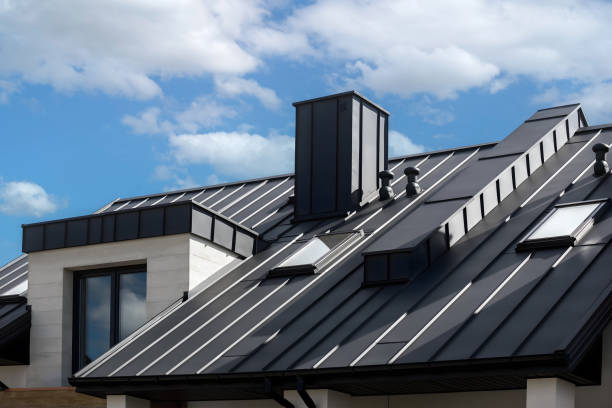
Metal roofing has become increasingly popular in Asheville due to its durability and performance in varied weather conditions. Metal roofs hold up well against heavy rain, high winds, and occasional snow accumulation.
In a humid environment like Western North Carolina, metal roofs also resist mold and algae growth better than shingles. When properly installed with correct underlayment and ventilation, metal roofing can last several decades with minimal maintenance.
Although the upfront cost is higher, many homeowners view metal roofing as a long-term investment that performs exceptionally well in Asheville’s climate.
Slate Roofing
Average lifespan: 75–100+ years

Slate roofs are rare but not unheard of in Asheville, especially on historic homes. Natural slate is extremely durable and can last a century or more when properly maintained.
However, slate is heavy and requires specialized installation. Improper repairs or inexperienced contractors can significantly reduce its lifespan. Asheville’s freeze-thaw cycles in winter can also impact slate if water penetrates beneath the tiles.
For homeowners with slate roofs, regular inspections by a roofing contractor experienced with slate are critical.
Wood Shake and Wood Shingle Roofs
Average lifespan: 20–30 years

Wood roofing offers a natural, rustic appearance that fits well with Asheville’s mountain aesthetic, but it comes with challenges. High humidity and rainfall increase the risk of rot, mold, and insect damage.
Without proper treatment and ongoing maintenance, wood roofs can deteriorate quickly in this region. Fire resistance is also a concern, especially in wooded areas surrounding Asheville. Because of these factors, wood roofing is less common and often not recommended unless homeowners are prepared for higher maintenance demands.
Flat and Low-Slope Roofs
Average lifespan: 15–25 years

Flat and low-slope roofs are more commonly used on commercial buildings but are sometimes found on residential homes. In Asheville, heavy rainfall can be a major issue for these systems if drainage is not properly designed.
Standing water accelerates membrane deterioration and increases the risk of leaks. Regular inspections and prompt repairs are essential to prevent premature failure. Material choice and professional installation are especially important for flat roofing in Western North Carolina.
Factors That Affect Roof Lifespan in Asheville
Several local factors influence how long a roof lasts in Asheville, NC:
High annual rainfall and humidity
Wind from mountain storms
Occasional snow and ice accumulation
Tree coverage and falling debris
Proper attic ventilation and insulation
Roofs that are well-ventilated and regularly inspected tend to last significantly longer than those that are neglected.
When to Schedule a Roof Inspection
If your roof is approaching the lower end of its expected lifespan, or if you have experienced recent storms, scheduling a professional roof inspection is critical. Early detection of damage can extend the life of your roof and prevent costly repairs.
A local Asheville roofing contractor understands regional weather patterns and can provide accurate recommendations based on real conditions, not generic estimates.
Final Thoughts
Roof lifespan in Asheville, NC depends heavily on material choice and local climate factors. Whether you have asphalt shingles, metal roofing, or a specialty material, understanding what to expect helps you plan ahead and protect your investment.
If you are unsure about the condition of your roof or want guidance on long-term options, working with one of out trusted roofing professional is the best next step. Give us a call today!
Little River Roofing
(828) 575-2223


Comments