The Best Time of Year to Replace Your Roof
- Ali Riviere
- Jul 31, 2025
- 3 min read

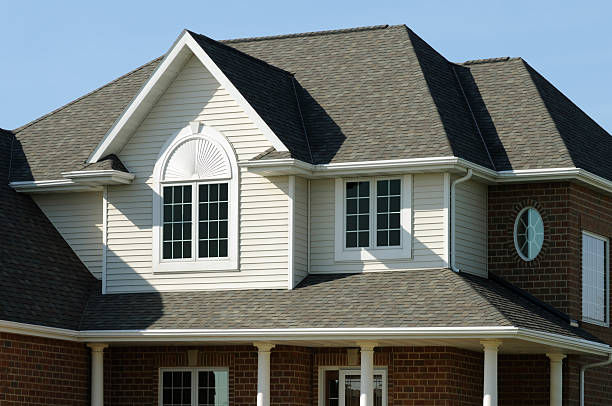
If you’re planning to replace your roof, one of the most important decisions is timing. Weather conditions, material availability, contractor schedules, and even pricing can shift significantly throughout the year. So when is the best time to schedule a roof replacement? The answer depends on your goals, your budget, and your local climate—but in most cases, late spring through early fall is ideal.
Spring: A Smart Time to Get Ahead
Spring is often considered a strong contender for roof replacements, especially in regions with harsh winters. As the weather warms and snow clears, contractors can safely inspect roofs for damage and begin scheduling repairs or full replacements. Spring storms can expose leaks or structural weaknesses, prompting homeowners to take action before the summer heat sets in.
Scheduling early in the season often means avoiding peak demand. Roofing companies may have more availability and flexibility in pricing, especially before their calendars fill for the summer. However, spring can bring unpredictable rain, which may cause brief delays.
Summer: Peak Season for a Reason
Summer is the busiest season for roofing contractors, and with good reason. The weather is typically dry and warm, making it easier to complete roof replacements quickly and efficiently. Shingles and other materials install best in warm temperatures, and longer daylight hours give crews more time to work.
That said, summer demand can drive up costs and extend wait times. If you plan to replace your roof in summer, it’s best to book several weeks in advance to secure your preferred dates. Extremely high temperatures can also be a concern, especially for labor crews, which may result in shorter workdays or staggered schedules to protect workers’ health.
Fall: The Ideal Balance
Many homeowners consider fall to be the best season for roof replacement. Temperatures are moderate, humidity tends to be lower, and most of the hurricane or storm threats have passed. Roofers can work comfortably and efficiently, and materials have enough warmth to seal properly before winter arrives.
Fall is also the last chance to replace a roof before snow, ice, and cold weather set in. If your roof is aging or showing signs of damage, replacing it in the fall ensures your home is protected during the winter months. The main downside is that contractor schedules often fill up fast, so it’s wise to plan early.
Winter: Possible, but Risky
While not impossible, winter roof replacements are the least ideal. Cold temperatures can make shingles brittle and harder to install, adhesives may not seal correctly, and snow or ice can delay work. However, if you’re dealing with an emergency—such as major storm damage or a severe leak—a skilled contractor can often complete the job with cold-weather techniques and specialized tools.
Because it’s the slowest season, winter may offer off-season pricing or faster scheduling, but only if the weather allows for safe installation.
So, What's the Best Time to Replace a Roof?
While roofing can technically be done year-round, the best time to replace your roof is typically from late spring through early fall. Each season has its pros and cons, so the right time for you will depend on your schedule, your budget, and the urgency of your roofing needs. The most important step is planning ahead. Reach out to a trusted local roofing contractor to assess your roof, discuss timing, and get on the schedule before the rush hits.


Comments